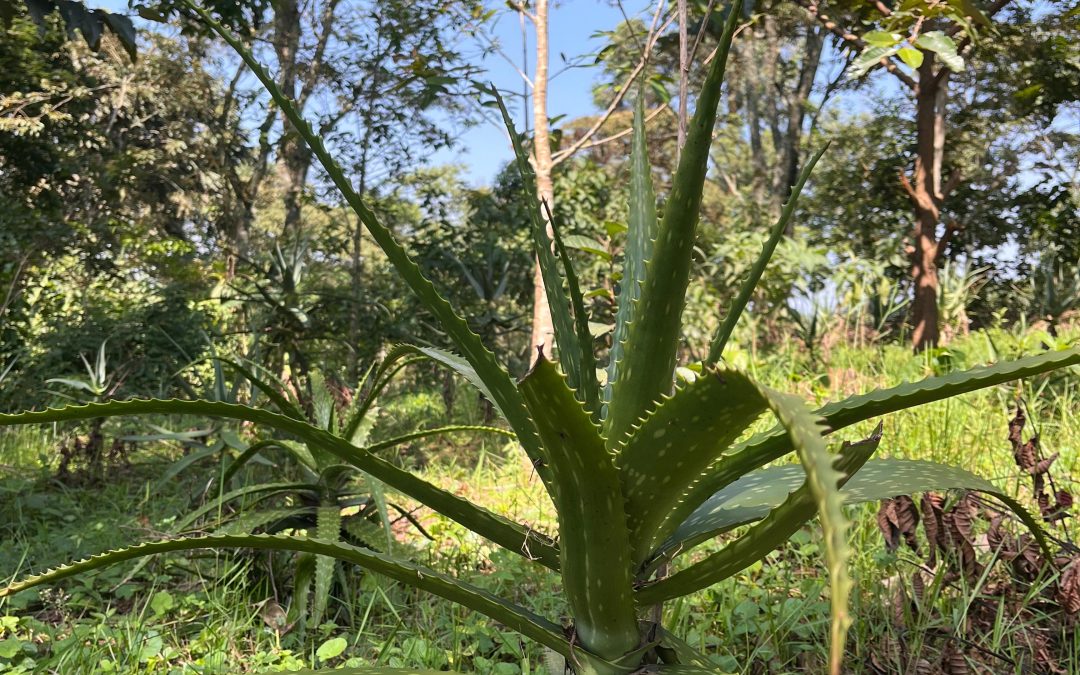
At Rukararwe, the landscape is more than just a beautiful environment—it is a living pharmacy. Many of the trees and plants growing on our land have been used for generations in traditional medicine and continue to play an important role in community health today. By preserving and cultivating this knowledge, we connect traditional healing practices with modern awareness and sustainability.
In this post, we would like to introduce some of the remarkable medicinal plants found right here on our compound, and how they are used in everyday life.
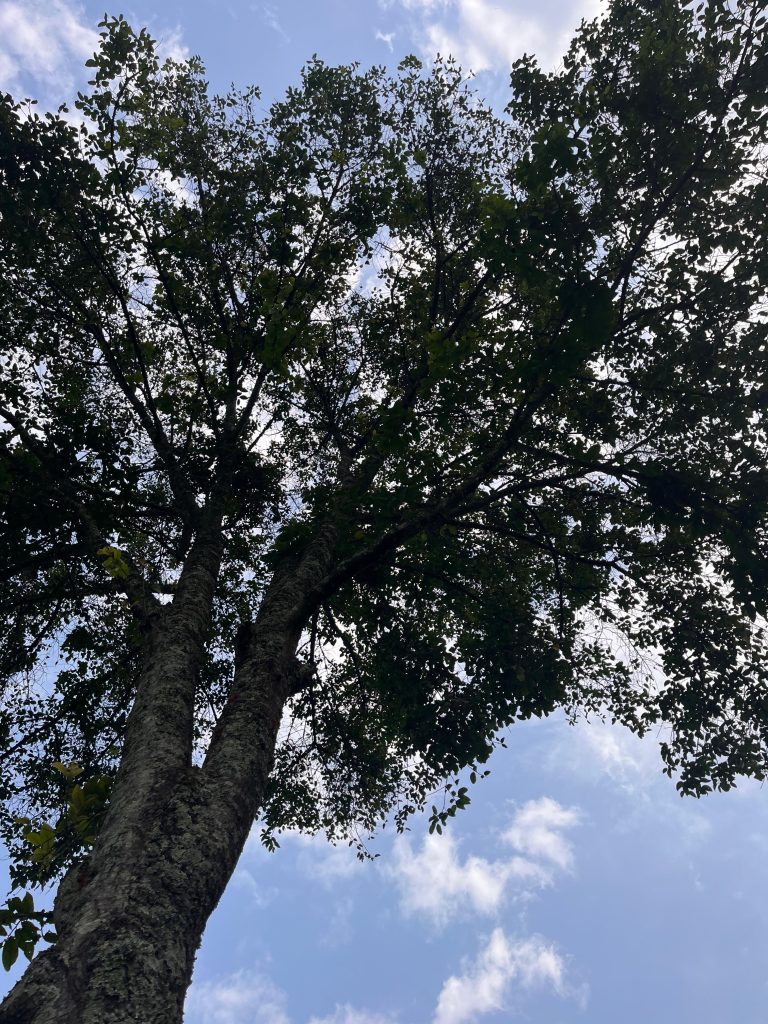
Prunus africana – A Tree of Powerful Healing
Prunus africana is a large evergreen tree native to the montane forests of sub-Saharan Africa. Locally known as Omugote, it can grow up to 30 meters tall and is especially valued for its medicinal bark.
For generations, the bark has been used in the form of decoctions to treat a wide range of conditions, including urinary problems, chest pain, kidney infections, and diabetes. It is particularly well known for supporting men’s health, especially in cases of prostate enlargement.
The healing properties of this tree come from natural compounds such as phytosterols and polyphenols, which have anti-inflammatory and hormone-regulating effects.
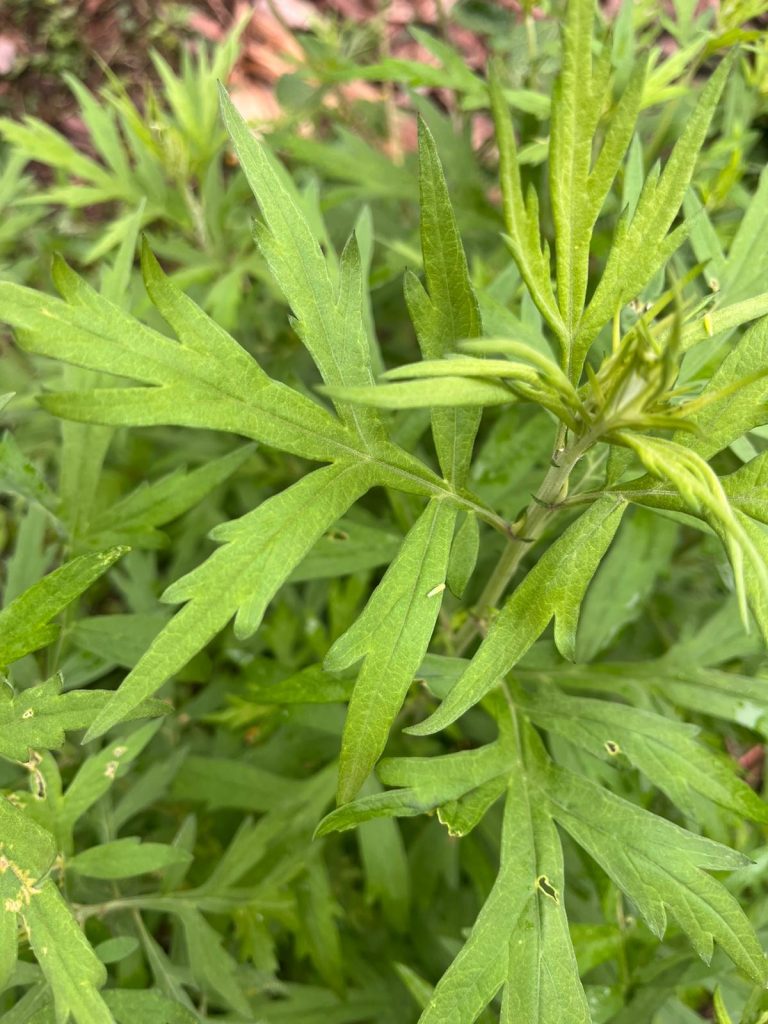
Artemisia annua – A Plant in the Fight Against Malaria
Artemisia annua is a plant widely recognized for its role in treating malaria. Its leaves contain artemisinin, a compound that has become one of the most important ingredients in modern antimalarial therapies.
Traditionally, the plant is prepared as a tea or infusion to help reduce fever and support the body during illness. It is often used for malaria-related symptoms and general infections.
Vernonia amygdalina – The Bitter Leaf with Many Benefits
Vernonia amygdalina, locally known as Omubirizi, is a shrub or small tree commonly found across tropical Africa. Despite its intensely bitter taste, it is one of the most valued medicinal plants in the region.
The leaves are widely used to treat conditions such as malaria, respiratory infections, diabetes, and digestive problems. They are typically prepared as teas or decoctions and are known for their strong antimicrobial and anti-inflammatory effects.
What makes this plant especially interesting is its versatility. Beyond the leaves, different parts of the plant are used in daily life:
- The twigs are traditionally used as natural toothbrushes, helping to maintain oral hygiene and fight bacteria.
- The roots and bark are used to ease digestive discomfort and other internal conditions.
This makes Vernonia amygdalina not just a medicine, but a true everyday health resource.
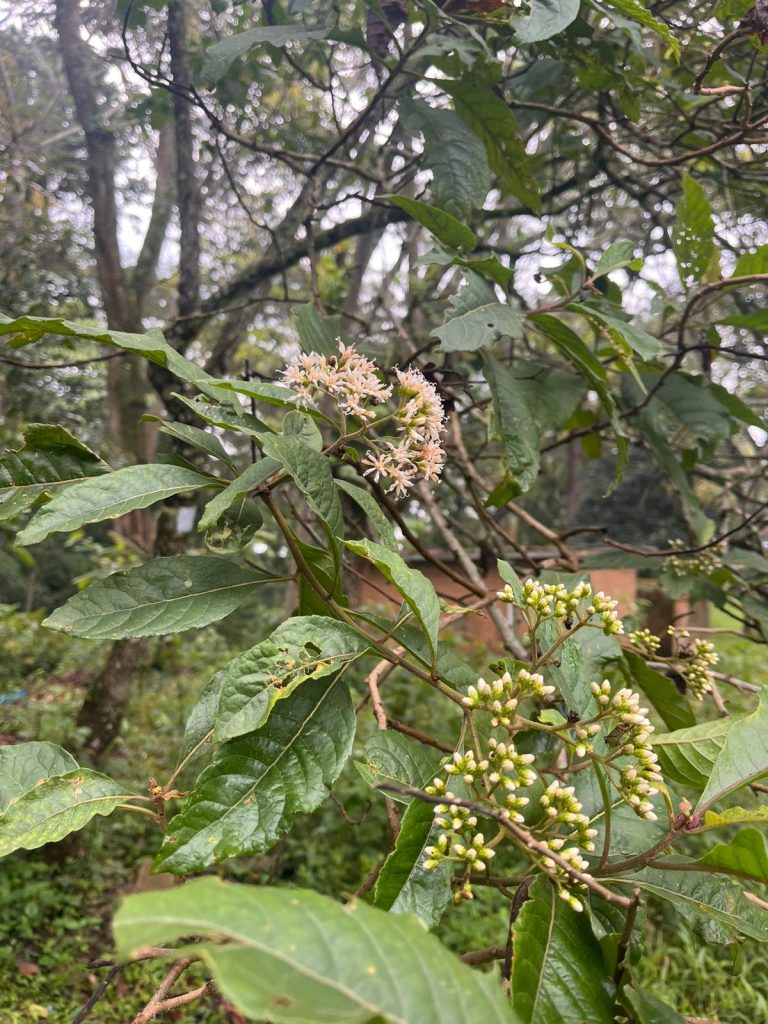
From Garden to Clinic
All of these plants are growing right here on our land at Rukararwe. They are not only preserved as part of our natural heritage but are actively used in our Herbal Medicine Clinic.
In the clinic, we prepare herbal remedies using plants harvested from our compound. These medicines are then provided directly to patients seeking treatment. In addition, they are available for purchase both on-site and in our shop in town, making traditional herbal healthcare accessible to the wider community.
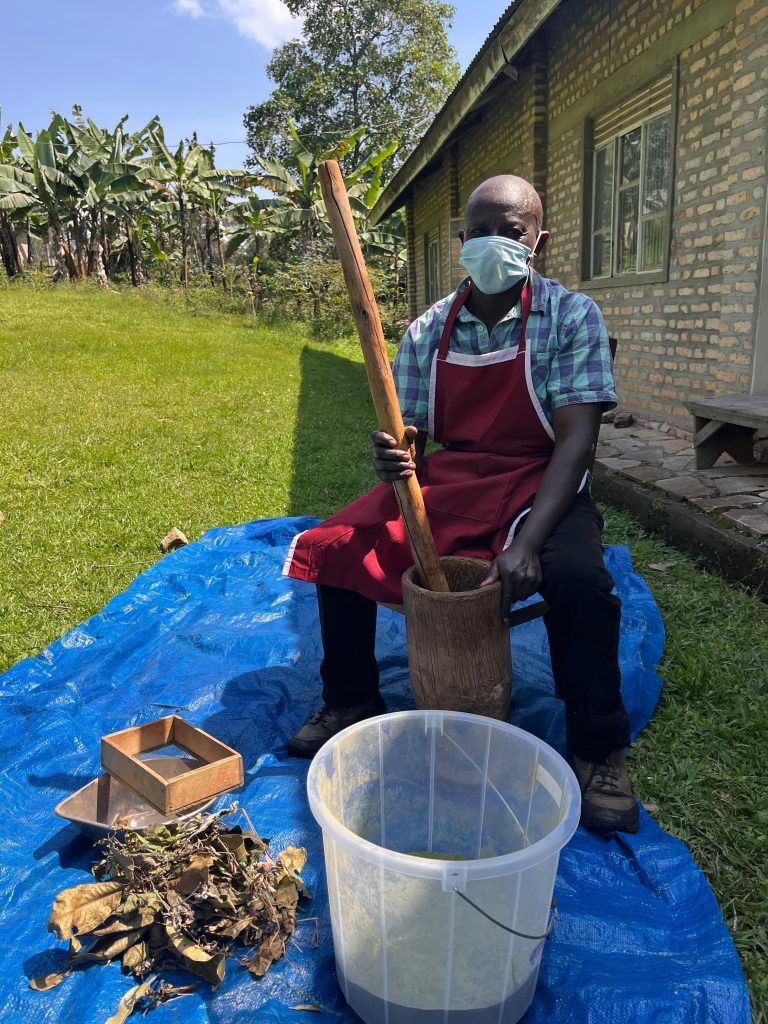
At Rukararwe, we believe that nature offers powerful tools for healing—and by caring for these plants, we are also caring for our community.